A capable drilling and tapping center manufacturer should connect machine configuration to the real cycle: hole count, thread sizes, milling load, tool changes, chip flow and inspection. A fast spindle by itself does not prove a fast or stable process.
For aluminum housings, electronic hardware, fixtures and repeat-production parts, a useful proposal explains the process assumptions in plain language. It also separates standard equipment, optional equipment and buyer-supplied items. That discipline prevents the common mistake of comparing headline spindle speed while ignoring tool-to-tool time, cutting duty and chip evacuation.
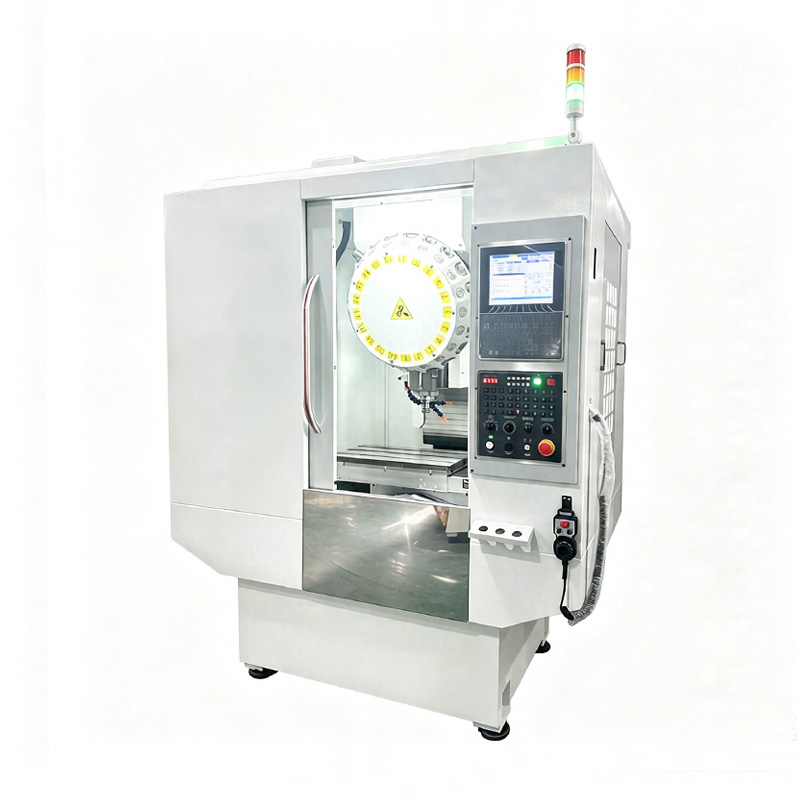
What does “drilling and tapping center manufacturer” mean in a buying project?
A CNC drill-tap center is a compact machining center optimized for rapid drilling, tapping and lighter milling with automatic tool changes. Its suitability depends on the part envelope and cycle structure rather than the machine name alone.
The phrase is useful for discovery, but it is not a complete specification. Model names and category labels vary among suppliers. Always ask for a dimensional drawing, installed option list and explicit statement of what the quoted machine will and will not do.
Define the process before comparing machines
Start with the hardest representative part, not an average part. Record material, incoming stock, finished dimensions, critical tolerances, surface requirements, annual volume, batch size and target working pattern. Add the fixture, clamps, toolholders and tool approach to the part envelope. A nominal travel value can look adequate while the real setup collides or loses clearance.
Next, sketch the process route. Identify datums, orientations, roughing and finishing tools, hole and thread requirements, deburring, inspection and material handling. This reveals whether the proposed architecture reduces setups or simply moves complexity into fixtures and operator work.
A comparison table for drilling and tapping center manufacturer
| Area | Input to provide | Evidence to retain |
|---|---|---|
| Part and fixture density | Number of components, clamps and clearance for every tool | Record the agreed value and the evidence used to verify it. |
| Operation mix | Hole count, thread sizes, milling load and cycle sequence | Record the agreed value and the evidence used to verify it. |
| Spindle and taper | Tool diameter, material, tapping demand and continuous duty | Record the agreed value and the evidence used to verify it. |
| Tool handling | Required tools, change sequence and magazine margin | Record the agreed value and the evidence used to verify it. |
| Chip and coolant system | Material behavior, chip volume, filtration and cleaning access | Record the agreed value and the evidence used to verify it. |
What a comparable quotation should include
Ask each supplier to return the same compliance matrix. It should identify the exact machine, CNC control, spindle and taper, tool capacity, coolant and chip equipment, guarding, electrical standard, manuals, documentation language, packing, freight responsibility, installation, training, warranty and acceptance. Mark every line as included, optional, excluded or buyer supplied.
Do not force a supplier to promise a cycle time from an incomplete drawing. A credible estimate states its assumptions: material condition, stock allowance, tools, workholding, toolpath, inspection method and operator actions. If production output is important, ask for a time study or witnessed test using an agreed representative program.
For a concrete starting point, review the T6S CNC Drill Tap Center. Treat the published page as an application overview; final capacity, performance and included options belong in the approved quotation and machine specification.
Verify capability with evidence, not adjectives
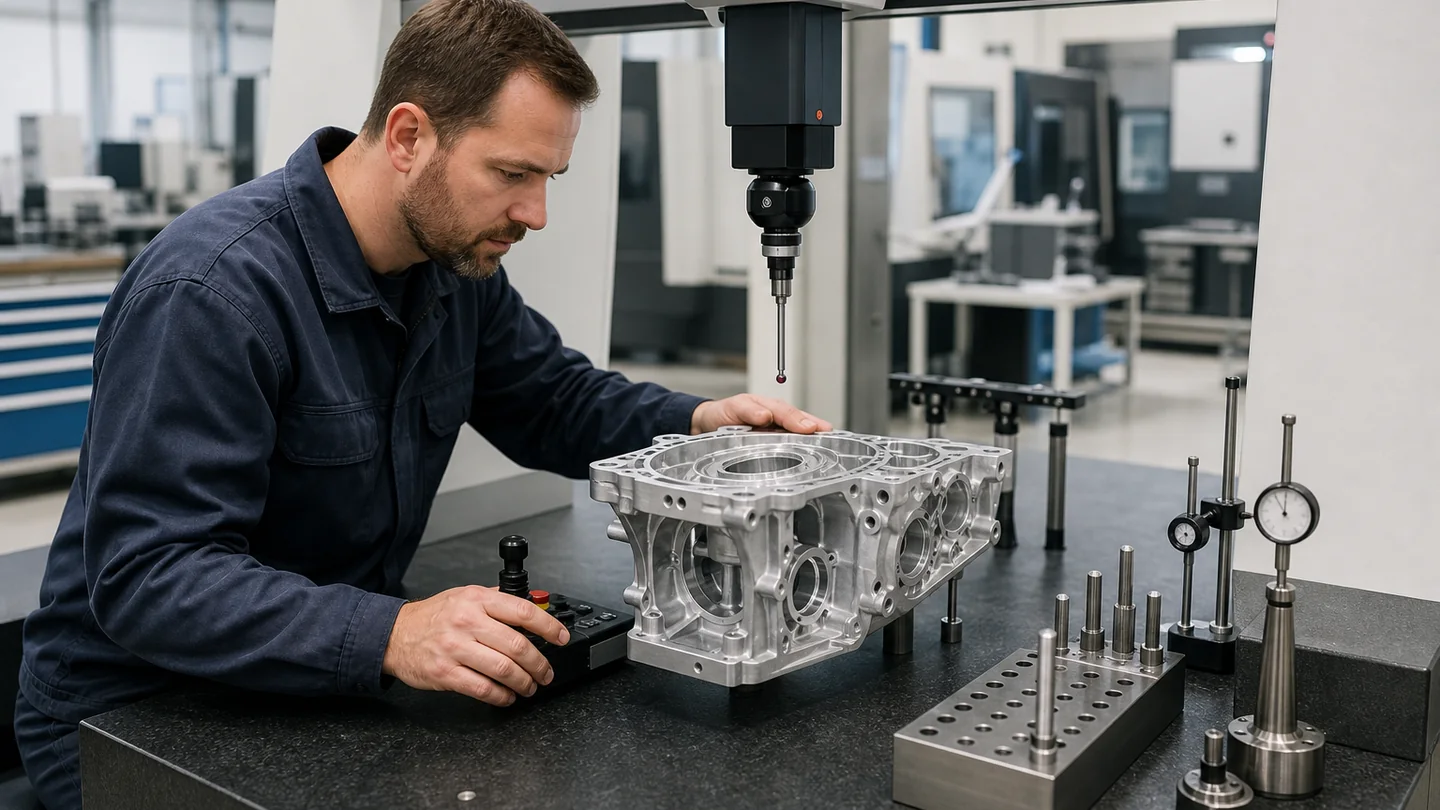
Words such as high precision, heavy duty and high speed need a test condition. Define the measurement method, instrument, machine warm-up, environmental condition and reporting format. For the workpiece trial, agree on material, drawing revision, fixture, tools, quantity, inspection points and who owns the resulting program and records.
For a remote evaluation, request dated images or video tied to the machine serial record, along with inspection documents and a live review of the control and installed options. Before shipment, close every open item in a signed acceptance report. After delivery, repeat the agreed site checks once the machine is leveled and thermally stable.
Plan installation and support before the purchase order
Confirm the transport route, door and ceiling clearances, crane or forklift plan, foundation, electrical supply, air, coolant handling, networking and local safety requirements. Assign responsibility for rigging, leveling, startup, operator training and post-installation acceptance. A technically suitable machine can still lose weeks if the site scope is left until shipment.
Support should be written as a process: first response, remote diagnosis, escalation, parts identification, shipment route and warranty decision. Ask which items are stocked, which come from component partners and what information your maintenance team must provide when opening a service case.
Frequently asked questions
What information should I send first?
Send a representative part drawing, material and stock condition, critical tolerances, required surfaces, annual volume, batch size, desired automation level and site electrical standard. A fixture concept and current cycle data make the review more useful.
How should I compare two proposals?
Normalize both proposals into one compliance table. Compare installed configuration, options, exclusions, acceptance, delivery responsibility, training, warranty and service—not only the model name and base price.
Can a catalogue accuracy value guarantee my part?
No. Machine checks describe the machine under a stated method; part results also depend on workholding, tools, program, material, temperature and measurement. Use both machine tests and an agreed representative part.
What is the safest next step?
Prepare a controlled RFQ and ask shortlisted suppliers to explain their assumptions. Resolve technical gaps before price negotiation, then attach the approved specification and acceptance plan to the purchase agreement.
Conclusion
A sound drilling and tapping center manufacturer decision is traceable from part requirements to configuration, quotation and acceptance. Keep the process evidence together, insist on clear responsibility and choose the simplest system that can prove the required work.