Five Axis Machining : A Practical Buyer and Process Guide starts with the workpiece and process, then turns those requirements into a documented machine scope.
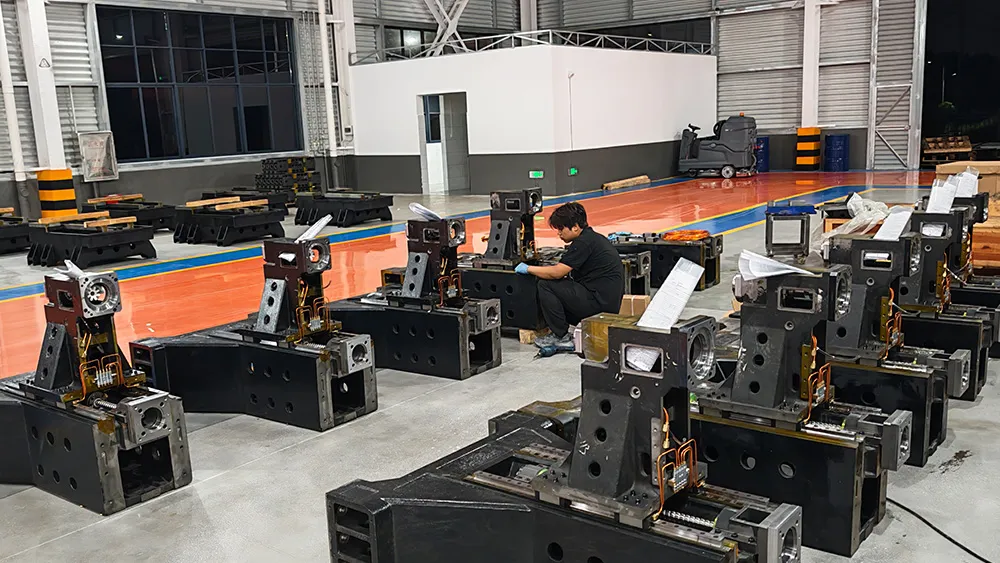
What does “five axis machining” mean?
The phrase describes a search need, not a complete specification. Five-axis work depends on rotary range, tool reach, collision clearance, datum strategy and post-processor responsibility. Similar labels can describe different architectures, so the written scope matters more than the label.
Define the process before comparing machines
Send a representative drawing, material, critical tolerances, surface requirements, annual volume, batch size and target cycle. Add fixture, clamps, longest tool and safe approach to the envelope. Note whether the job needs simultaneous five-axis cutting or indexed 3+2 operations.
Build a comparable quotation
| Area | Specify | Evidence |
|---|---|---|
| Machine and axes | Travels, rotary range, load, clearances and control | Approved option list |
| Spindle and tools | Taper, torque, speed, magazine and holders | Tool list and assumptions |
| Workholding | Fixture, clamps, datums and access | Collision-reviewed layout |
| Site and support | Utilities, freight, installation and warranty | Responsibility matrix |
Review the U650 Bridge-Type 5-Axis Machining Center as a product starting point; final capacity and options belong in the signed quotation.
Verify capability with evidence
Use a witnessed trial or documented test with an agreed workpiece. Record material, fixture, tools, program revision, warm-up, instruments and acceptance limits. Before shipment, close open items in a signed report; at installation confirm leveling, thermal stability, probing, post-processor output and training.
FAQ
Is five-axis always better than three-axis?
No. It is useful when it removes setups, improves access or protects a surface strategy. Extra axes add value only when they solve a defined process constraint.
Can catalogue accuracy guarantee my part?
No. Workholding, tools, program, material, temperature and measurement also determine results.
Conclusion
A sound five axis machining decision is traceable from part requirements to configuration, quotation and acceptance. Keep assumptions visible and publish only claims supported by evidence.