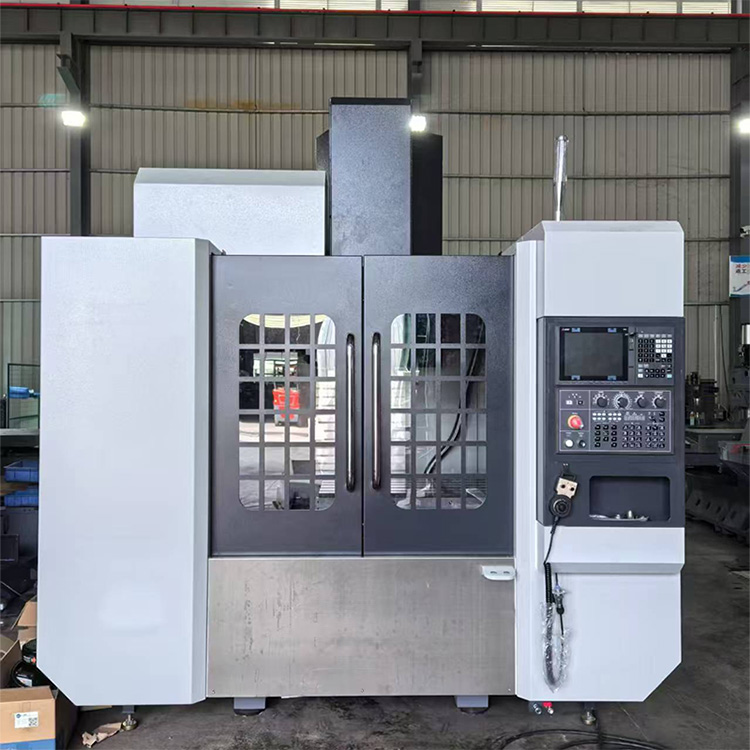
A heavy-duty vertical machining center is selected for sustained cutting load, not for a label or machine weight alone. The correct configuration depends on material, cutter diameter, engagement, tool overhang, stock removal, cycle pattern and the heat and chips created across a shift.
Translate “heavy duty” into operations
List the roughing cuts that dominate load and the finishing cuts that control quality. Record how long the spindle remains under load, how often tools change and whether the machine alternates between roughing and precision work. This separates a short demonstration cut from a production duty cycle.
| Review area | Input to provide | Evidence to request |
|---|---|---|
| Spindle | Material, tool diameter, engagement and duty | Applicable torque/power range and cooling configuration |
| Structure | Cut direction, tool overhang and fixture position | Process explanation and representative cutting plan |
| Tooling | Holder interface, gauge length and retention needs | Approved tool list and clearance review |
| Chips and coolant | Chip volume, material and required coolant delivery | Conveyor, tank and filtration scope |
| Production rhythm | Shifts, batches and maintenance windows | Duty assumptions and service schedule |
Rigidity cannot correct a poor setup
A large casting does not compensate for a flexible fixture, long holder or unsupported workpiece. Review the force path from cutting edge through tool, spindle, axes, fixture and part. If the weak point is the clamp or tool reach, changing only the machine may leave the original problem in place.
Plan for chip volume and heat
Heavy removal can fill pockets, recut chips and load the coolant system. Check nozzle access, conveyor type, filtration, tank capacity and cleaning route against the actual material. The operator should be able to clear and inspect the working area without defeating guards or interrupting production more than planned.
Confirm both roughing and finishing
A useful factory test includes the demanding roughing operation and the feature that controls acceptance. Define tools, material, warm-up and measurement in advance. For a heavy-duty VMC review, send CNC Tech the blank, fixture concept, operation list and shift target; the final proposal should state the exact spindle, options and test boundary.
Continue the application review: compare VMC1165 machine information with the broader machining center selection guide.